
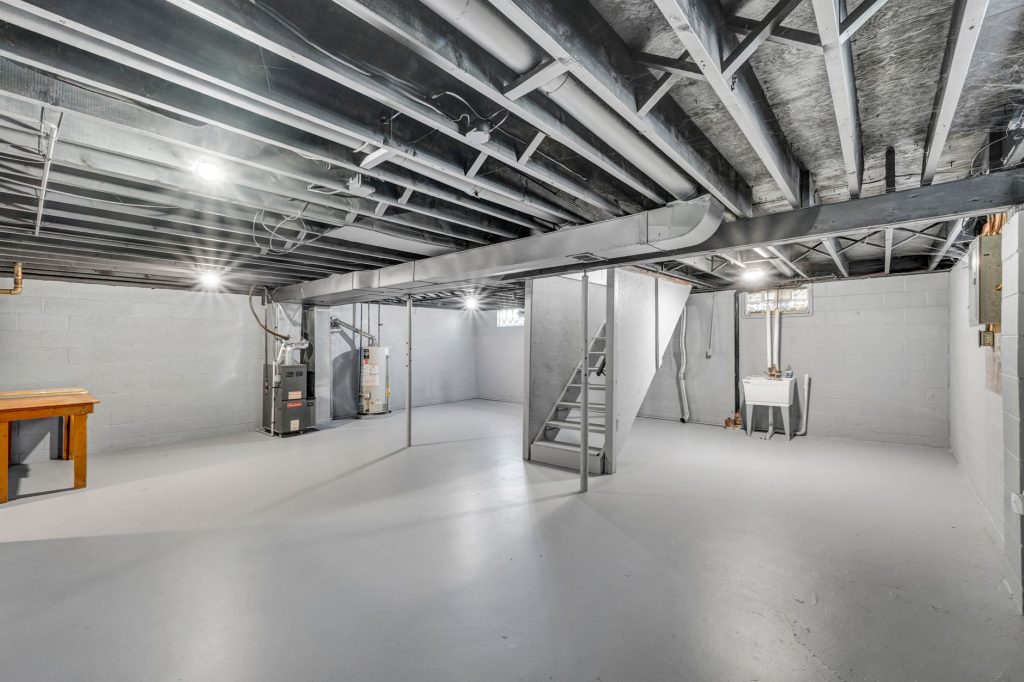
Two neighbors can get high radon results from the same test kit and still need completely different fixes. One has a poured slab under a finished rec room; the other has a dirt-floor crawl space tucked behind a cinder-block wall. The radon number tells you that you have a problem. It doesn’t tell you which system will solve it. That answer comes from the bones of your house.
Start by identifying your foundation type
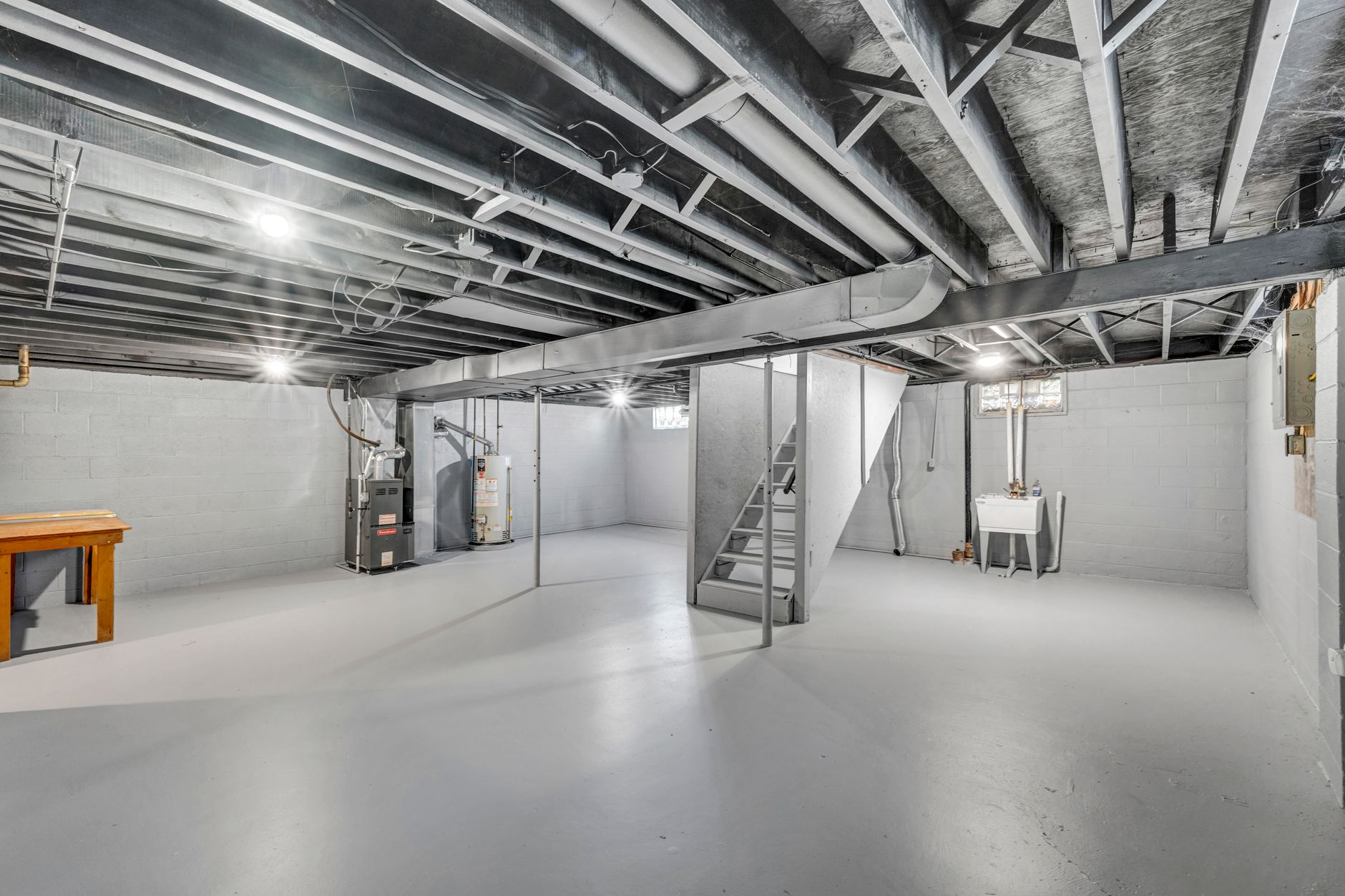
Before anyone talks about fans or pipe diameters, figure out what your house sits on. Walk the lowest level and look for the obvious tells: a flat concrete floor you can stand on means a slab; an unfinished area with exposed soil or a plastic sheet means a crawl space; a short, deep concrete-walled room means a full basement. Many homes mix these, with a slab over part of the footprint and a crawl space under an addition. Each foundation gives soil gas a different route indoors, so each demands a different interception point. Getting this classification right up front saves you from paying for a system aimed at the wrong part of the house.
Slab-on-grade or full basement: which suction method applies?
Both of these rely on sub-slab suction, the most common and most reliable approach. A pipe is sealed into a hole cut through the concrete, and a fan pulls the low-pressure soil gas out from beneath the slab before it can seep up through cracks and joints. The difference between a slab-on-grade ranch and a full basement is mostly about routing. In a basement you often have more room to run pipe discreetly along a wall and up through the house; with slab-on-grade, the pipe frequently exits through an exterior wall and climbs the outside of the house. Performance is comparable either way. What varies is how much drilling, sealing, and interior finishing the job touches.
Picking a path for homes with a crawl space
A crawl space can’t be depressurized the same way a slab can, because there’s no continuous concrete to pull air from beneath. The standard fix here is a sealed membrane: heavy polyethylene is laid tight across the soil floor, lapped and taped at the seams, and sealed to the walls. A suction pipe then draws from beneath that membrane, turning the crawl space into something a fan can act on. If your home is part crawl space and part basement, expect a hybrid system that treats each zone on its own terms rather than one tidy solution covering everything.
When a sump pit changes your options
An existing sump pit is often the cheapest doorway into the soil. If your basement already has one, a mitigator can seal an airtight lid over it and draw suction directly from the pit, which usually connects to drain tile looping the footing. That drain-tile network spreads the suction widely under the slab with far less drilling. The catch is that the pit still has to handle water, so the lid needs a sealed access point and the pump has to keep working. When a sump and good drain tile are present, this is frequently the fastest and least disruptive route.
Finished basements and keeping the pipe out of sight
A finished basement raises the stakes, because nobody wants a white PVC pipe running across a freshly painted family room. The decision shifts from “what works” to “what works without tearing up the finish.” An existing sump or an access point near a utility closet can let the pipe climb inside a wall cavity or through a mechanical chase. Sometimes the cleanest answer is drilling the suction point in an unfinished storage area and routing pipe up through the garage or an exterior run. These choices cost a little more in labor and planning, but they keep the living space intact.
Matching your choice to an installer’s recommendation
Use everything above to arrive at an informed opinion, then treat it as a starting point for the conversation rather than a final verdict. A diagnostic visit can reveal things a walkthrough misses, like weak sub-slab communication or a crawl space that needs more sealing than expected. A certified local provider such as Radon Mitigation York PA can run those pressure-field tests and confirm whether suction, membrane, drain-tile, or sump-based extraction will actually move your numbers down. When your reasoning and their field data line up, you can commit with confidence instead of guessing.
Your single next step: pull out your most recent radon test result and note your foundation type on the same sheet, then book a diagnostic visit so a professional can match the right system to what your home actually needs.